
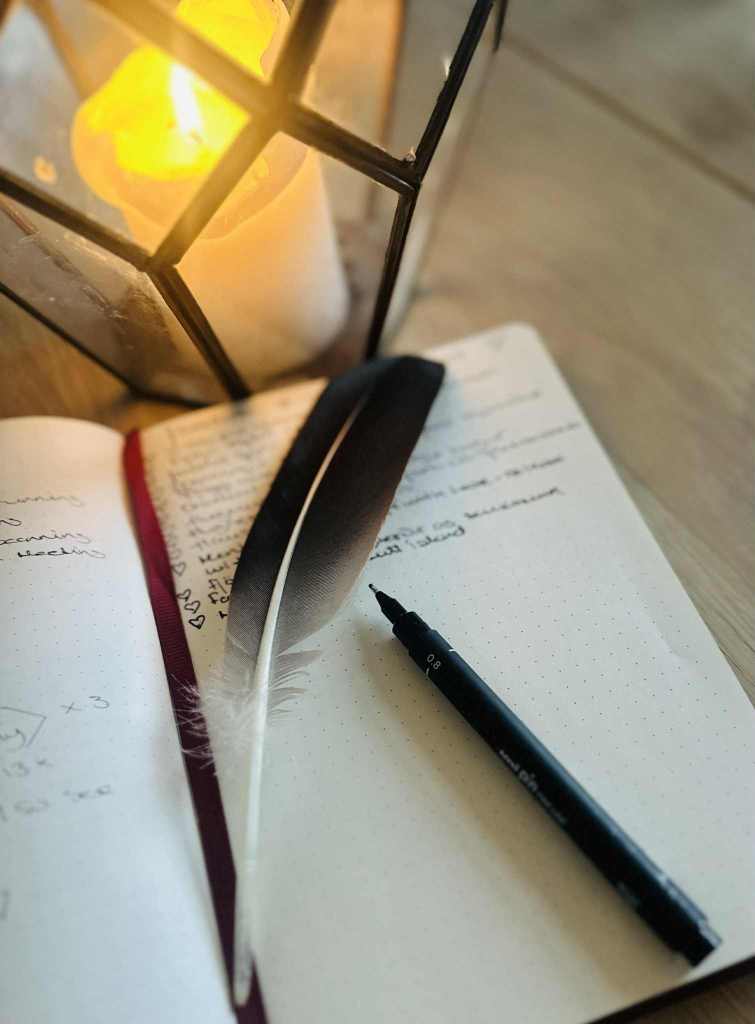
Each morning, before the day really begins, I open my journal and write down three things I am grateful for. It doesn’t take more than a minute, but that little practice fills me with warmth and sets the tone for my whole day. Gratitude softens my heart, brings me into presence, and reminds me of all that is already good in my life.
This has been a part of my life for many years – not constant, but always there. I return to it in cycles, especially when I’m doing a lot of inner work. My main goal, however, is to keep gratitude alive in everyday life, not just when I need grounding.
Why Gratitude Matters
Gratitude is more than just saying “thank you.” It’s a way of seeing. Instead of focusing on what’s missing, gratitude invites us to notice what’s already here – the blessings, the beauty, the small comforts we often take for granted.
It gently shifts us away from stress, worry, or comparison and into a mindset of abundance. Research even shows that gratitude can lower stress, improve sleep, strengthen relationships, and increase overall well-being. But beyond the science, it simply feels good.
As a Part of My Morning Ritual
Some days my journal holds big things: my life, my health, my family and friends, meaningful conversations, or the work I get to do. Other days it’s the small, everyday gifts: the first sip of coffee, the music I listen to, the coziness of my home, or the sound of birds outside my window.
Both are equally powerful. Both remind me that there is always something to appreciate.
Ways to Practice Gratitude
There’s no one “right” way to be grateful. Here are a few simple practices to try:
- Gratitude journaling: Write 3–5 things you’re thankful for daily.
- Silent pause before meals: Take a breath to appreciate the food, where it came from, and the hands that prepared it. Eating mindfully turns a simple meal into an act of presence – noticing flavors, textures, and the nourishment it brings.
- Gratitude walk: While walking, notice and name things around you that bring you joy or comfort.
- Evening reflection: Before bed, recall one beautiful thing from your day.
- Thank-you notes: Write to someone who has touched your life, even in a small way.
Tip: Choose just one practice to begin with, and see how it shifts your day.
Everyday Examples
Gratitude often shows up in the smallest of ways:
- Saying “thank you” with presence and sincerity.
- Appreciating your body for carrying you through the day.
- Finding gratitude even in challenges (traffic can become a reminder that you have a car and a destination worth driving to – or even an opportunity for unexpected me-time).
- Sharing gratitude with loved ones – one thing each day that you are thankful for.
And it’s in these simple gestures that gratitude begins to ripple outward.
The Ripple Effect
Gratitude is contagious. The more we practice it, the more it flows into our relationships, our work, and the way we carry ourselves. A grateful heart radiates kindness and joy — and that energy naturally inspires others.
💌 An Invitation for You
Tonight, before you go to bed, pause for a moment and think of one thing you’re grateful for from your day. It doesn’t have to be big – just the first thing that comes to mind.
Or, tomorrow morning, before reaching for your phone, write down three things you’re grateful for. Notice how that one minute shifts your energy and changes the way your day unfolds.
What Research Shows About Gratitude
- Better Sleep & Health: A two-week gratitude practice improved sleep quality, increased optimism, and even lowered blood pressure compared to control groups (Jackowska et al., 2016). https://pubmed.ncbi.nlm.nih.gov/25736389/
- Less Stress & More Joy: A 14-day diary study during the COVID-19 outbreak found that on days people felt more grateful, they experienced less stress, better health, and more positive emotions (Nezlek et al., 2021). https://pubmed.ncbi.nlm.nih.gov/33284976/
- Overall Well-Being: A review of 19 studies showed gratitude practices consistently boosted psychological well-being a nd life satisfaction, while often improving sleep quality too (Boggiss et al., 2020).https://pubmed.ncbi.nlm.nih.gov/32590219/
 Holistic Wellbeings
Leave a Reply