
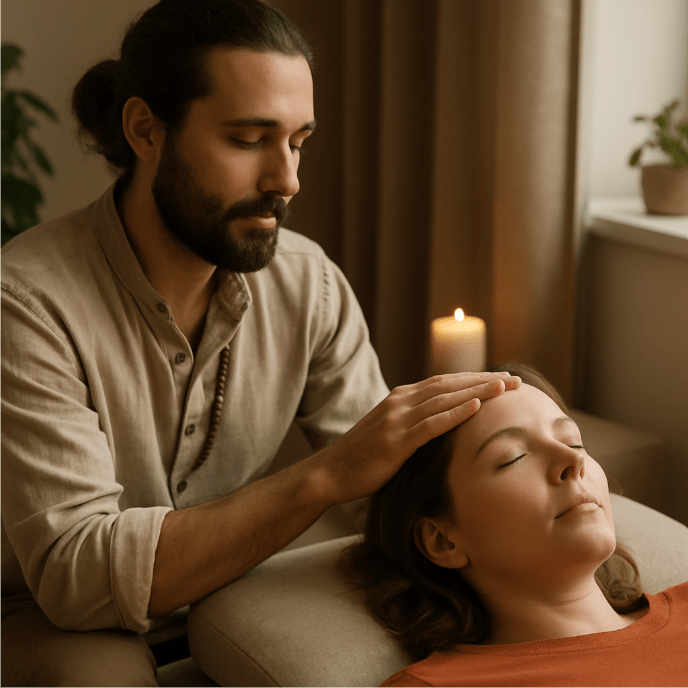
As psychedelics re-enter the spotlight of modern mental health care, more people are exploring their potential to heal deep emotional wounds, shift perspectives, and reconnect with themselves. But while these substances can be profoundly transformative, they also demand respect and care — especially when used for therapeutic purposes.
This is where trained psychedelic practitioners come in.
Whether it’s psilocybin, MDMA, ayahuasca, or ketamine, psychedelic therapy isn’t just about taking a substance and hoping for the best. It’s a guided process that involves preparation, the experience itself, and integration — all of which are best done with the support of someone who knows the terrain.
Here’s why working with a trained psychedelic guide isn’t just recommended — it’s essential.
Safety Comes First
Psychedelics can open doors to the subconscious, surfacing long-buried emotions, memories, or trauma. Without proper support, this can become overwhelming. A trained practitioner:
- Maintains a safe and grounded environment
- Helps manage difficult moments if they arise
- Monitors for psychological red flags or contraindications
Safety isn’t just physical — it’s emotional and psychological too.
Skilled Navigation in Altered States
A psychedelic experience can feel like entering another dimension of mind. A skilled practitioner serves as a compassionate, steady presence — a kind of inner travel guide — who:
- Helps you stay present during intense or confusing moments
- Offers reassurance without interrupting the flow of your experience
- Knows when to step in, and when to hold quiet space
This kind of support can mean the difference between feeling lost and finding insight.
Preparation and Integration: The Bookends of Healing
One of the biggest misconceptions about psychedelic therapy is that the magic happens during the trip. In reality, the most lasting healing often unfolds before and after the session.
- Preparation helps you clarify intentions, explore fears, and enter the session with trust and readiness.
- Integration helps you process insights, connect dots, and apply what you’ve learned to your daily life.
A practitioner guides you through these crucial stages, so your experience isn’t just powerful — it’s transformative.
Trauma-Informed Support
Many people come to psychedelic therapy carrying trauma — emotional wounds that haven’t fully healed. Practitioners trained in trauma-informed care are:
- Sensitive to triggers and emotional flashbacks
- Equipped to create a safe, non-judgmental container for deep healing
- Skilled in helping you move through — not around — difficult material
This makes the journey feel safer, and the healing more profound.
Preventing Harm, Enhancing Benefits
Without professional guidance, people risk:
- Having destabilizing or confusing experiences
- Being retraumatized by unprocessed memories
- Misusing substances in unsafe settings
Working with a trained guide reduces these risks dramatically and increases the likelihood of lasting growth.
Psychedelic Therapy Is a Process, Not a Pill
Psychedelics aren’t a magic cure. They’re catalysts — powerful tools that can help you face yourself, reconnect with your inner wisdom, and shift entrenched patterns. But like any deep work, they require support, structure, and follow-through.
A trained psychedelic therapist or guide walks with you through that process. They’re not there to lead your journey, but to hold space while you lead your own — safely, consciously, and with care.
In a time where access to these therapies is expanding, choosing a trained, ethical, and experienced practitioner is one of the most important decisions you can make. It’s not just about safety — it’s about unlocking the full potential of your journey.

 Holistic Wellbeings
Leave a Reply